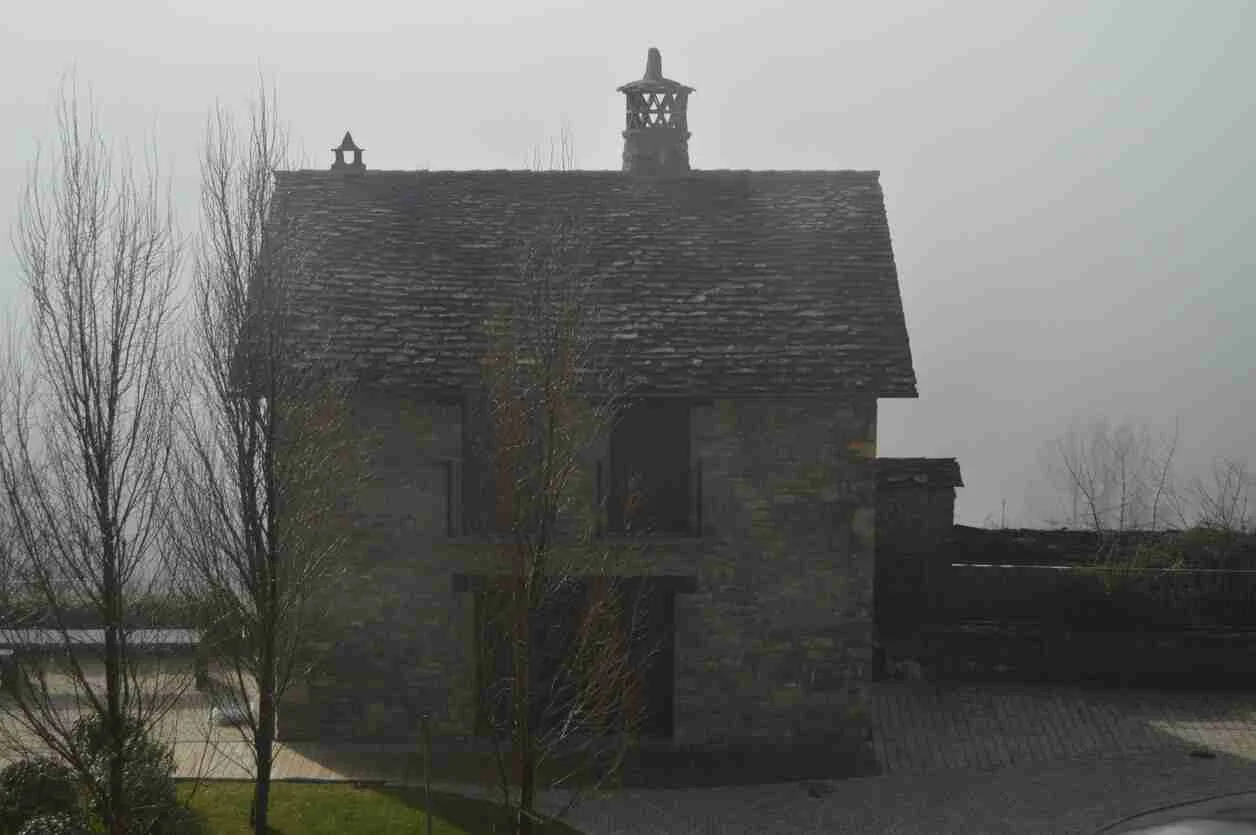
Symbolism
Symbolism in "Annabel Lee"
Symbolism in Annabel Lee. The analysis will delve into the various symbols employed in the poem, such as the sea, the moon, the angels, and the
Read —>Delve into the intricately crafted world of Edgar Allan Poe’s poem “Annabel Lee” to explore its themes, symbols, and structure, which have contributed to its status as a timeless classic. Gain insight into the origins of the poignant love story between Annabel Lee and the unnamed protagonist, as well as the overarching themes of love, loss, and undying devotion. Examine the symbolic significance of elements such as the sea, the moon, and the angels, and conduct an analysis of the poem’s structure, considering aspects such as its rhyme scheme, meter, and vivid imagery. Embark on a journey through the poetic brilliance that is “Annabel Lee.”
The literary work “Annabel Lee” by Edgar Allan Poe serves as a poignant depiction of themes revolving around love and sorrow, effectively portraying the enduring connection shared between the narrator and the enchanting Annabel Lee. The poem emphasizes the profound love that existed between the two individuals, a love so coveted by the celestial beings of Heaven that it ultimately resulted in the premature passing of Annabel Lee.
Annabel Lee is characterized as an exquisite lady of noble lineage, whose affection for the narrator was so deep that it aroused the envy of the angels in Heaven.
The inspiration behind Edgar Allan Poe’s poem ‘Annabel Lee’ is commonly associated with his profound grief and perpetual recollection of his deceased wife, Virginia Clemm, a significant presence in both his personal life and literary works.
Poe’s personal history was characterized by a series of tragedies, including the premature passing of several loved ones. The tumultuous nature of his relationships and encounters with love and loss permeated his writing, giving rise to themes of sadness and yearning that are not only apparent in ‘Annabel Lee’ but also in other works such as ‘The Raven‘ and ‘Ligeia.’ Throughout his poetry and short stories, Poe frequently delved into the notion of young, beautiful women meeting untimely demises, infusing his literary creations with a haunting and sorrowful ambiance.
The themes presented in “Annabel Lee” are diverse, incorporating elements of deep affection, sorrowful bereavement, and the persistent mourning that ensues after the demise of an exquisite young woman, skillfully interwoven by the artful narrative of Edgar Allan Poe.
The central theme of ‘Annabel Lee’ revolves around the concepts of love and loss, as the narrator’s enduring affection for Annabel Lee is juxtaposed with the profound grief accompanying her premature passing.
The poem adeptly captures the profound depth of the narrator’s love through rich imagery and eloquent language. Poe’s utilization of phrases such as ‘the seraphs of heaven coveted her and me‘ effectively conveys the notion of a supernatural, ethereal bond between the two individuals, emphasizing the strength and purity of their connection. Ongoing references to the kingdom by the sea and the sepulcher therein serve to underscore the perpetual nature of their love, transcending earthly boundaries and extending into the realm of eternity. Despite Annabel Lee’s physical absence, the narrator’s affection for her remains resolute and unyielding, symbolizing the enduring strength of love that even death cannot diminish.
The poem eloquently portrays the theme of death and grief through the narrator’s mourning of the demise of the enchanting Annabel Lee, thus accentuating the profound sorrow and enduring grief that typically accompany such a loss.
Poe skillfully integrates elements of nature into the narrative, employing the sea and the moon as potent symbols of the inexorable passage of time and mortality. Throughout the poem, the narrator elucidates how the chilling winds and the icy foam of the waves serve as poignant reminders of his beloved’s premature departure. The inclusion of supernatural elements, such as the angels in heaven cherishing their love, introduces a mystical and ethereal dimension to the tale, underscoring the timeless quality of their connection even beyond death. These vivid descriptions evoke a sense of melancholy and yearning that resonates with readers, capturing the essence of enduring love and lamentation.
The theme of eternal love is a prominent motif in the poem “Annabel Lee,” where the narrator expresses an enduring affection for Annabel Lee that surpasses death, symbolizing a love that even the heavenly seraphs envy.
Throughout the poem, Edgar Allan Poe employs celestial imagery to heighten the otherworldly nature of the narrator’s love. By portraying their love as so profound that it arouses jealousy even among the angels in Heaven, Poe underscores the profound nature of their emotional bond. The recurrent references to the kingdom near the sea and Annabel Lee’s tomb by the sea serve to evoke a sense of vastness and perpetuity, suggesting a spiritual connection that transcends mortal life. Poe eloquently captures the concept of a love that transcends temporal and spatial boundaries, echoing the belief in an everlasting union that endures despite all challenges.
In the poem “Annabel Lee,” the theme of jealousy and envy is personified by the envious angels of Heaven, who desire the unblemished love shared between Annabel Lee and the narrator, ultimately resulting in her tragic demise.
Throughout the progression of the poem, Edgar Allan Poe adeptly crafts a poignant narrative where supernatural elements are utilized to symbolize the deleterious effects of these detrimental emotions. By symbolically portraying the angels as envious entities, Poe delves into the darker facets of human sentiments, illustrating how such emotions can erode even the most exquisite and untainted relationships. The angels, typically viewed as benevolent entities, assume a malevolent role in this context, underscoring the profound influence of jealousy on both mortal and divine realms within the framework of this sorrowful love tale.
The theme of memories holds significant importance in Edgar Allan Poe’s poem, ‘Annabel Lee’, where the narrator’s unwavering mourning and perpetual recollection of Annabel Lee highlight the ability of memories to sustain love even in death.
Throughout the poem, the narrator reflects on the deep love shared between himself and Annabel Lee when they were described as ‘two children.’ This memory provides solace and longing for the narrator. The reference to the angels in heaven separating the couple suggests that memories act as a conduit between the past and present, offering comfort during times of sorrow. The repetitive mention of Annabel Lee’s name and the imagery of their love by the sea further underscore the enduring nature of memories. Through the act of invoking memories, the narrator immortalizes their love, transcending the physical constraints of mortality.
The symbolism employed in “Annabel Lee” serves a pivotal function in enriching the poem’s themes. Elements such as the sea, the moon, and the angels collectively contribute to the portrayal of themes revolving around love, loss, and the supernatural.
The ocean holds a significant symbolic role in the poem “Annabel Lee,” representing the enduring and infinite nature of the narrator’s love and serving as the final resting place of Annabel Lee, encapsulated in the phrase ‘sepulchre there by the sea‘.
This dual symbolism within the poem conveys not only the profound depth of the narrator’s everlasting affection for Annabel Lee but also underscores the inescapable reality of mortality. Edgar Allan Poe strategically employs the sea as a means to evoke emotions of yearning, enigma, and melancholy. The recurring presence of the sea throughout the poem reinforces its pivotal importance, cultivating a lasting impression of both beauty and grief.
By portraying the sea as a sepulchre, Poe accentuates its symbolic connection to death, portraying it as the eternal abode where Annabel Lee discovers tranquility. In this manner, Poe intricately weaves the sea into the overarching themes of love, loss, and destiny.
The poem utilizes celestial imagery, specifically the moon and stars, as symbols of the narrator’s enduring emotional bond with Annabel Lee, signifying the continued presence of her affection from Heaven. Poe’s ‘Annabel Lee’ is notable for the significant role played by celestial imagery in illustrating the eternal connection between the two lovers.
The poet employs references to the moon and stars to convey that they act as messengers of Annabel Lee’s perpetual love, creating a mystical ambiance that immerses the reader in the domain of eternal affection. Through the recurring motif of celestial bodies, Poe accentuates the transcendent quality of their relationship, implying that their love surpasses earthly limitations and continues to illuminate the narrator’s existence.
Consequently, the moon and stars are not merely astronomical entities but enduring observers of the enduring love shared by the narrator and Annabel Lee.
The winged seraphs, also referred to as angels, in the poem “Annabel Lee” by Edgar Allan Poe serve as symbolic representations of supernatural entities that harbored envy towards the love shared between the narrator and Annabel Lee, ultimately resulting in her tragic demise.
These celestial beings, portrayed as envious entities within the context of the poem, hold a significant role in influencing the sequence of tragic events. Poe employs the angels to intensify the themes of jealousy and envy directed towards the deep connection between the lovers, accentuating the sinister motives that led to Annabel Lee’s premature death.
Through the portrayal of the angels as malevolent and resentful figures, Poe effectively utilizes them as allegorical representations of the detrimental forces capable of obstructing genuine love and joy, thereby introducing a supernatural element of tragedy to the narrative.
The kingdom by the sea depicted in “Annabel Lee” serves a dual symbolic purpose in the narrator’s love story, as well as a poignant setting for the sepulchre where Annabel Lee lies.
The coastal kingdom’s symbolism is intricately woven throughout the poem, encapsulating both the beauty of love and the sorrow of loss. The picturesque imagery associated with the kingdom by the sea includes grand cliffs, undulating waves, and a tranquil moonlit night. These vivid elements combine to create an aura of enchantment and melancholy, emphasizing the enduring bond between the narrator and Annabel Lee. The setting of the kingdom by the sea conveys a notion of eternal love and perpetual mourning, weaving together themes of passion and grief into a profound tapestry of emotions.
The composition of “Annabel Lee” demonstrates meticulous craftsmanship, as evidenced by its careful attention to rhyme and meter, repetition, and refrain. These elements collectively enhance the musicality and emotional profundity of Edgar Allan Poe’s sorrowful and perpetual recollection of his cherished Annabel Lee.
The poem “Annabel Lee” exhibits a rhythmic flow that reflects the theme of love through its rhyme and meter. The consistent pattern of rhyme and meter enhances the poem’s musical quality and reinforces its thematic elements.
Edgar Allan Poe employs a distinctive rhyme scheme in the poem, using repeated end rhymes to create a sense of coherence and unity. The regular meter, predominantly trochaic octameter, contributes to the melodiousness of the verse, immersing the reader in the emotional landscape of the narrator’s love and grief. This rhythmic structure not only enriches the auditory aspect of the work but also reinforces the themes of undying love and enduring sorrow. Poe’s meticulous crafting of rhyme and meter establishes a cadence that heightens the emotional resonance and haunting elegance of the poem.
The utilization of repetition and refrain in ‘Annabel Lee’ serves to underscore the overarching themes of love and grief, as recurrent phrases work to reinforce the narrator’s enduring sense of sorrow and unwavering devotion.
Through a meticulous examination of specific lines such as ‘in a kingdom by the sea,’ ‘the angels, not half so happy in heaven,’ and ‘my darling, my darling, my life and my bride,’ readers are drawn into the protagonist’s profound emotions of yearning and bereavement.
Poe’s deliberate use of repetition serves to engross the audience in the narrator’s deeply felt sentiments, crafting a hauntingly beautiful and melancholic atmosphere.
The consistent recurrence of these key phrases not only enhances the lyrical quality of the poem but also amplifies the audience’s compassion towards the narrator’s poignant recollection of his departed love, Annabel Lee.
The utilization of vivid imagery and alliteration by Poe in ‘Annabel Lee’ effectively portrays a poignant depiction of the sepulchre and the ethereal love shared between the narrator and Annabel Lee. This amalgamation of literary devices serves to heighten the emotional resonance of the poem.
For instance, the recurrent utilization of the ‘l’ sound in phrases such as ‘kingdom by the sea‘ and ‘love’ creates a soft, melodious effect that mirrors the gentle essence of their relationship. The detailed portrayals of the ‘sepulchre there by the sea’ and ‘the moon never beams without bringing me dreams‘ evoke a profound sense of timeless sorrow and yearning.
These vivid images, enriched with alliteration, not only accentuate the atmosphere of sorrow but also underscore the motif of enduring love that transcends mortality.
The tone and mood of “Annabel Lee” are imbued with melancholy, as Poe adeptly merges elements of sorrow, love, and the supernatural to craft a poignant and haunting narrative.
Drawing upon themes of loss and eternal love, Poe constructs a tale that resonates with profound emotions of yearning and wistfulness. Through vivid depictions of the sea and sepulchre, he invokes a feeling of desolation and longing, further enriching the bittersweet essence of the poem.
The imagery of the sepulchre symbolizes death and functions as a continual reminder of the protagonist’s sorrow, heightening the overarching melancholic tone. This juxtaposition of beauty and sorrow evokes a deep emotional response from readers, tugging at their heartstrings.
The main theme of Annabel Lee is the power of love and its ability to transcend even death.
The theme of love in Annabel Lee is portrayed as a force that is unbreakable and eternal, even in the face of death.
The repetition of Annabel Lee’s name symbolizes the speaker’s unending love and devotion for her, even in death.
The theme of death in Annabel Lee highlights the inevitability of mortality and the pain of losing a loved one, but also showcases the power of love to overcome it.
Other themes present in Annabel Lee include the destructive nature of jealousy, the impact of loss on the human psyche, and the idea of fate and destiny.
The setting of the poem, a dark and dreary kingdom by the sea, adds to the melancholic and mournful tone of the poem and emphasizes the theme of loss and longing for the past.
Symbolism in Annabel Lee. The analysis will delve into the various symbols employed in the poem, such as the sea, the moon, the angels, and the
Read —>
Annabel Lee Analysis: A comprehensive examination of Edgar Allan Poe's "Annabel Lee" uncovers a complex array of themes, symbolism, and
Read —>
Annabel Lee Literary Devices. Edgar Allan Poe's poem, "Annabel Lee," exemplifies the skillful use of literary devices. Through techniques such a
Read —>